


Find Your Freedom in These European Islands
In the modern life which is pushing in a faster pace than ever, finding a place that can get away from almost everyone and enjoy ourselves is a luxurious desire. However, the Europe offers us the opportunity. There are myriads of beautiful and wonderful islands in Europe, which can be an ideal travel resort and reach your goal of staying away from the noise of metropolises. Here are several peaceful islands in Europe worth visiting.

Skye, Scotland
The Skye Island which situates in Scotland is notable for its splendid natural views. Mysterious castles, rugged mountains and the glamorous coast lines seduce a myriad of travelers who are keen on hiking, adventure and photographing all over the world. Although this treasure island is known by more and more visitors, Skye island is still keeping its unique and precious quietness, especially in the summer night. A number of romantic and fantastic pictures and photos are made here, if you love sunrise or sunset, the beaches in Skye island will not let you down.

Brač, Croatia
Croatia is well known by a group of people mainly because of Croatian Rhapsody, another terrific treasure should not be ignored as well, the Brač island. The island is a perfect wonderland help you get rid of the atmosphere of cities, the beaches gain their fame for the special shapes and fascinate multitudinous people who love aquatic sports. Although there are towns in the island, numerous peaceful and quite corners can still be found for you to enjoy sunlight, sea wave and warm hearts. Further more, the island is also a historic resort, which is also a heaven suitable for those visitors who love both cultural and natural environments.
Åland Islands, Finland
As the minority of countries that can see polar lights easily and considered to be one of the nations whose citizens have the happiest live standard, Finland become a dreamland for a multitude of people. One more marvelous thing is that an island in Finland can be so incredible. Åland Islands are little islands between Finland and Sweden, the original residents there live mainly for farming and fishing with a slow paced live. If you travel to Åland Islands, you get the chance to ride bicycles, walk alone and enjoy the peaceful beaches, which make you feel what is called the genuine, true and authentic liberal lifestyle. With affluent historic relics such as ancient castles and churches, Åland Islands are the places that always make people be reluctant to say good bye.
Corfu, Greece
Located in Greece, Corfu island is a beautiful wonderland prestigious for its clear sea and fascinating mountains. Although the island serves for a number of travelers ever summer, there are still remote beaches and villages remain to discover with primitive charm. In Corfu island, you can unlock the joy of exploring lanes, paying a visit to ancient churches and canteens that possess Greek traditions and savoring quiet atmosphere. Anyway, the incredible scenery and the friendliness of local people are the reasons that you must come here.
Conclusion
These are the islands in Europe that offer us a choice to escape from the busy lives. No matter you want to feel the quietness of the nature or learn the local culture, they are all nice options for your next itinerary.
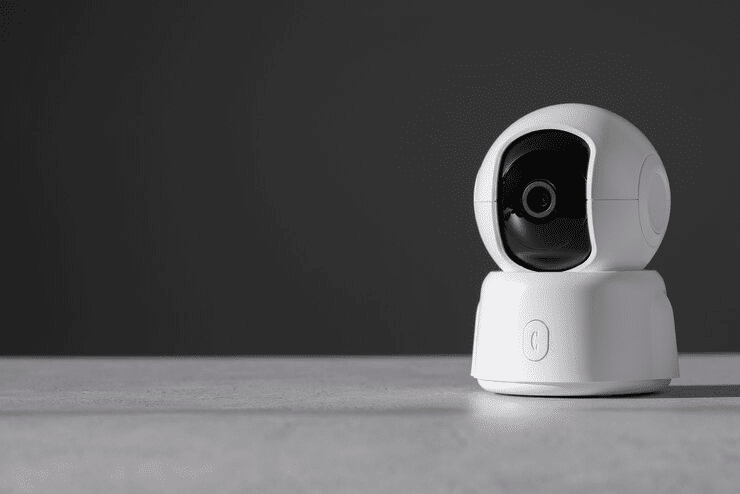
Aspects to Focus on When Buying a Home Security Camera
Home security cameras are a valuable part of maintain safety and piece of mind. Whether you want to keep your home safe while you’re away, or you need to be able to see what’s happening at your front door, there are tons of options for home security cameras. With all of the options that are out there, and here are some things to consider to ensure you have a camera that works for you how you want it to.1.ResolutionThe resolution of the camera is another important consideration. More resolution typically means clearer images, and that can be critical when trying to identify faces or license plates. Many new cameras record in HD 1080p and even 4K resolution. But, of course, higher resolution also translates into larger file sizes, which can eat up more space and more bandwidth. If you plan on recording footage non-stop, you'll want enough space, whether that's cloud storage or a local solution such as microSD cards or network-attached storage (NAS).2.Size of the ViewThe size of the view is also a consideration. A broader perspective enables thus reducing blind spots and more coverage area for the camera. Cameras with field of view from 130 degrees to 180 degrees are typical, but welter-weight panoramic cameras with 360-degree coverage are available. If you are watching over a large space, like a garden or sitting room, then you may want a wider angle. But for more confined spaces, you may want to narrow the beam to prevent wasted coverage.3.ConnectivityAnother consideration is connectivity. The vast majority of home security cameras today have some type of Wi-Fi connection, but what kind of network device you're connecting to is going to make a difference. A poor signal may result in lagging or dropped connections if your camera is too far from the router. Some cameras have Ethernet ports for improved connectivity, or dual-band Wi-Fi for better signal. Wireless (battery operated) cameras are versatile where you can place them, only to have the hassle of replacing, or recharging batteries.4.StorageThere are various storage options for cameras and the kind you choose will depend on how much storage you wish to keep. The convenience of cloud storage is that it can offer remote access and automated backups, but it frequently involves subscription fees. Local storage, such as SD cards or an external hard drive, removes ongoing charges, but could be stolen or damaged if the camera is interfered with. Some also have hybrid solutions, where you can keep footage locally and in the cloud for extra backup.5.PrivacyPrivacy is a becoming a worry with home security cameras. And, because these devices are internet-connected, they may be hackable if not protected. Opt for a camera with robust encryption, two-factor authentication and regular firmware updates, and you may safeguard your data. Also think about whether the camera offers physical privacy mechanisms like a lens shutter or the ability to disable recording entirely when you're home.6.Smart FunctionsSmart functions fills it with more value. Most have motion detection, but some advanced cameras have facial recognition and sound detection, too. This helps prevent false alarms caused by swaying branches, swinging parking gates or passing cars. The camera also supports two-way audio so you can address delivery people or even would-be intruders through the camera, which is a nice touch. Integration with smart home platforms like Amazon Alexa or Google Assistant can offer easy control and automation too.In conclusion, picking the first home security camera does not only mean paying a visit to a shop and picking the first model you see. By considering your requirements on placement, resolution, storage, connection, privacy, and smart features, you choose a camera which is suitable to both security and convenience for your home. By researching and comparing your options you will invest in your security and peace of mind for many years to come.

Tesla Dog Mode: A Safe and Comfortable Canine Mobility Solution
Tesla, the renowned electric vehicle manufacturer, is known for its innovative features that revolutionize the driving experience.In this article, we will explore Tesla Dog Mode, its benefits, how to activate it, and why it has become a popular choice for pet owners.Understanding Tesla Dog ModeTesla Dog Mode is a specialized feature that allows Tesla owners to create a safe and comfortable environment for their dogs while they are parked in the car. It ensures that the cabin temperature remains at a suitable level, while also displaying a message on the vehicle's touchscreen to inform passersby that the dogs are safe and being monitored.Benefits of Tesla Dog ModeTesla Dog Mode offers several benefits for both pet owners and their furry friends:1. Temperature Regulation: One of the primary concerns when leaving dogs in a parked car is the risk of overheating or becoming too cold. Tesla Dog Mode addresses this issue by automatically maintaining a comfortable temperature inside the vehicle, regardless of external weather conditions.2. Safety and Security: The message displayed on the touchscreen informs passersby that the dogs are safe and the temperature is being monitored. This helps alleviate concerns about the dogs' well-being and reduces the likelihood of any unnecessary intervention or breaking into the vehicle.3. Peace of Mind: Knowing that their dogs are safe and comfortable allows pet owners to run errands or make quick stops without worrying about their pets. This feature provides peace of mind and enhances the overall travel experience for both humans and dogs.Activating Tesla Dog ModeActivating Tesla Dog Mode is a simple process:1. Ensure that your Tesla vehicle has the latest software update.2. Park the vehicle in a safe location and engage the parking brake.3. From the vehicle's touchscreen, navigate to the Climate menu.4. Select the Dog Mode option.5. Set the desired temperature for the cabin, ensuring it is comfortable for your dog.6. Exit the vehicle, making sure to leave the doors locked.

An Overall Summary of Machine Learning's Roles
Whether it's tailored content on streaming sites or self-driving cars that can melt into, say, Tehran traffic, machine learning's implications are vast and, in some cases, still not fully understood. To understand the impact fully, one must look more closely at the role machine learning is playing in our world, at its benefits, challenges, and what it may hold in future.Machine learning is, essentially, a sub-type of artificial intelligence that teaches computer systems to learn from data, recognize patterns and make decisions, all with little human intervention. However, unlike typical programs that you hand to the PC to follow, ML models learn by being given lots and lots of data. This adaptability and versatility is what makes machine learning so useful in applications where there's a large amount of data, but manual analysis would be neither feasible nor comprehensively reproducible.Consumer tech is one of the most obvious use-cases for machine learning. Companies such as Netflix, Amazon, and Spotify use ML algorithms to understand user behaviour and to provide recommended content. These solutions not only improve the user experience, but they also increase engagement and money. Likewise, virtual assistants like Siri, Alexa, and Google Assistant use a form of machine learning called natural language processing (NLP) to understand and answer human questions. The ease of use of such technologies is a testament to ML's impact on making tasks easier and more accessible.Outside of the consumer space, machine learning is transforming the world of healthcare, finance and manufacturing. ML algorithms are also employed in healthcare to diagnose diseases, forecast patient sickness, and even help discover new drugs. For example, image recognition models are able to closely and effectively analyze medical scans, helping radiologists diagnose conditions such as cancer more rapidly. In finance, machine learning ensures the industry can keep its fraud detection systems, algorithmic trading and credit scoring running optimally while diminish risks and streamline business operations. On the manufacturing front, predictive maintenance with ML prevents downtime by predicting ahead of time when equipment failure might strike.Despite its benefits, machine learning is not free of challenges. One of the main concerns is ethical consideration of discrimination in algorithms. Because ML models are trained on historical data, they can pick up biases and unfairly biased outcomes can then occur in hiring, lending, law enforcement and other areas. This problem can only be tackled by ensuring fairness in the training data, and by creating fair-aware algorithms. Moreover, the “black box” problem for some ML models, especially deep learning algorithms, has the potential to compromise transparency. When decisions are rendered by complex algorithms that the designers themselves cannot fully understand, the issue of accountability looms large.Another issue is the carbon and computational cost of training huge ML models. State-of-the-art algorithms like those that power generative AI take an unfathomable amount of data and machine power to run, meaning a huge amount of energy consumption. As interest continues to grow in more complex models, sustainable options will be essential to reduce the environmental impact of machine learning.In the future, breakthroughs in domains such as reinforcement learning and quantum computing could produce entirely new capabilities that allow machines to solve problems they currently can't. Additionally, when ML becomes combined with other disruptive technologies, including the Internet of Things (IoT), blockchain will result in new and disruptive solutions across domains. As an example, smart cities might leverage ML for optimizing traffic flow, reducing energy consumption, and enhancing public safety.In summary, machine learning is the bedrock of contemporary technological advancement with its impact being felt in all fields of life. Its potential is undeniable, but there are ethical, transparency and sustainability issues to be worked out in order to develop it in a responsible way. As we grapple with the power and prospects of ML, it is becoming increasingly apparent that the future of ML is the future of society and that society's relationship to ML will only become more inextricable. The story of machine learning is by no means finished, and the next chapters are likely to be as fantastic as any of the others.

Does Your Coffee Cup Affect the Taste of Your Coffee
Coffee is a necessity for many people every morning, and for coffee lovers, a good cup of coffee is not only about choosing the right beans and cooking methods, but also about using the right coffee utensils, such as coffee cups.This article will explore the potential impact of coffee cups.First of all, the material of the coffee cup is an important consideration. Common coffee mug materials include ceramic, glass and stainless steel. Ceramic cups are the most common choice because they are able to maintain the temperature of the coffee and do not have a noticeable effect on the taste of the coffee. Ceramic is very helpful for maintaining the heat and stability of the coffee, which allows the coffee to maintain the ideal temperature in the cup, making the taste more comfortable. On the other hand, the glass has good transparency, which allows people to appreciate the color and layering of the coffee. However, the glass is less able to retain heat and the coffee may cool more quickly. Stainless steel cups have excellent thermal insulation properties and can keep the temperature of coffee for a long time, but the material of stainless steel may have a certain impact on the taste of coffee.Secondly, the shape of the coffee cup may also have an effect on the taste of the coffee. The shape of the coffee cup can affect the smell, taste and caffeine content of the coffee. For example, a round cup can help the aroma of coffee concentrate better, making it easier to taste the aroma of coffee. For lighter coffee, such as Americano, you can choose a larger caliber cup to better experience the taste of coffee. In addition, the bottom shape of the cup may also have an impact on the taste of the coffee. A cup with a narrower bottom may make the coffee taste more intense, while a cup with a wider bottom may make the coffee taste more balanced.

Strategies to Effectively Manage and Win the Battle with Kids Over Phone Use
In today's digital age, navigating children's phone use has become a significant challenge for parents. With the allure of games, social media, and endless entertainment at their fingertips, kids often find it hard to disconnect. This can lead to conflicts and concerns about screen time, mental health, and social skills. However, parents can effectively manage and win this battle by implementing thoughtful strategies that promote balance and understanding. Here's how to approach the issue of phone use with your kids.Establish Clear GuidelinesThe first step in managing phone use is to set clear, reasonable guidelines. Sit down with your children and discuss the importance of limits. Create a family phone-use contract that outlines allowed times for phone use, such as during homework or family meals. This collaborative approach gives kids a sense of ownership and encourages them to adhere to the agreed-upon rules. Ensure that the guidelines are age-appropriate and flexible enough to adapt as they grow.Lead by ExampleChildren often mimic their parents' behavior, so it's crucial to model healthy phone use yourself. If you expect your kids to limit screen time, show them how you manage your own device habits. Set aside time during family activities where everyone puts their phones away—this not only strengthens family bonds but also reinforces the idea that meaningful connections occur without screens. Your actions will speak louder than words, encouraging them to follow suit.Promote Alternative ActivitiesCombat the allure of screens by promoting engaging alternatives. Encourage your kids to participate in outdoor activities, sports, arts and crafts, or reading. Find hobbies that interest them and provide opportunities for social interaction. When children have fulfilling activities to occupy their time, they are less likely to rely on their phones for entertainment. Make it a family affair by joining them in these activities, which can enhance your relationship and create lasting memories.Educate About Digital LiteracyTeaching children about digital literacy can empower them to make informed choices regarding their phone use. Discuss the potential risks associated with excessive screen time, such as its impact on mental health, sleep, and social skills. Use real-life examples to illustrate the importance of moderation. By understanding the implications of their digital interactions, children are more likely to take responsibility for their habits.Use Technology to Your AdvantageIronically, technology can be a valuable ally in managing phone use. Utilize apps and built-in features on devices that track and limit screen time. Many smartphones offer parental controls that allow you to set limits on app usage or establish “downtime” periods when devices are inaccessible. This can serve as a helpful tool in reinforcing the guidelines you've set, making it easier for your kids to comply with established rules.Foster Open CommunicationCreating a culture of open communication is essential. Encourage your children to share their thoughts and feelings about phone use. Ask questions about what they enjoy doing on their devices and why they feel the need to use them so often. By understanding their perspective, you can address their motivations and concerns more effectively. This dialogue can lead to compromises and solutions that work for both parties.